Featured
Table of Contents
The 2026 Requirement for Postnet national franchise website redesign
The digital environment in 2026 has shifted from easy online presence to a rigorous need for quantifiable returns. Organizations no longer see a site as a static brochure however as a high-capacity engine for development. This shift needs a departure from standard imaginative methods toward an approach rooted in information and user psychology. By analyzing how users interact with particular interfaces, agencies can recognize friction points that impede conversions. The present year has actually seen a considerable rise in the importance of technical accuracy, where every millisecond of load time and every pixel of layout straight affects the bottom line.
NEWMEDIA has developed a reputation for navigating these complexities by prioritizing proof over instinct. Steve Morris, the firm's CEO, often emphasizes that the marriage of information and style is the only method to stay competitive in a saturated market. Whether the focus is on web development or more specific efforts, the goal remains the exact same: extracting optimal worth from every visitor. This point of view has become necessary as organizations deal with increasing costs for consumer acquisition throughout all significant channels.
Data Integration and the Role of logistics
Success within logistics now depends on the ability to interpret huge quantities of consumer data. In 2026, the most successful brands are those that utilize behavioral analytics to notify their marketing invest. Instead of blanket ad campaign, business are choosing hyper-targeted approaches that speak to the particular requirements of their audience. This level of customization is made possible through innovative tracking and attribution designs that reveal precisely which touchpoints result in a sale. Concentrating on Corporate Web Design provides business with a distinct benefit in this data-heavy environment.
The combination of ecommerce systems with real-time stock and client relationship management tools permits a more responsive organization model. When a primary digital channel is synced with back-end operations, the user experience ends up being much more fluid. Consumers get precise details concerning availability and shipping, which constructs trust and motivates repeat service. This operational effectiveness is a hallmark of contemporary portfolio quality, revealing that digital improvement is as much about internal processes as it is about public-facing style.
Artificial Intelligence and Browse Evolution
The search engine optimization world has gone through an extreme shift with the increase of AI-driven discovery. In 2026, conventional keyword rankings are just one part of a bigger exposure puzzle. Answer Engine Optimization (AEO) and Generative Engine Optimization (GEO) have become the main techniques for catching the attention of users who count on AI assistants for details. These systems do not just supply a list of links; they synthesize details and offer direct answers, frequently mentioning the most reliable sources. Strategic Corporate Web Design is now a standard requirement for brand names seeking long-lasting stability in these AI-generated results.
RankOS, a specialized platform for AI search presence, has actually ended up being an essential tool for organizations wanting to monitor their presence in these new environments. By tracking how typically a brand name is mentioned in AI responses and the sentiment related to those discusses, companies can change their material strategy in real-time. This proactive approach ensures that the brand name remains a top-of-mind option for both humans and the algorithms that serve them. Steve Morris has actually noted in a number of 2026 interviews that businesses neglecting AEO are essentially ceding their market share to more forward-thinking competitors.
Strategic Execution of web development
Execution in 2026 requires a multi-channel frame of mind where SEO, PPC, and social networks marketing operate in unison. When a user sees a targeted advertisement on social networks, they may later on search for the brand on an online search engine or ask an AI assistant for a recommendation. If the messaging is irregular throughout these platforms, the conversion path breaks. Keeping a cohesive voice and visual identity is important for strengthening brand authority. This is especially real for specialized project types where the target market might have very particular technical requirements or discomfort points.
Using strategic content assets helps bridge the gap between preliminary awareness and final purchase. Premium documentation, video presentations, and interactive tools provide the worth that 2026 customers anticipate before they dedicate to a deal. Marketing is no longer about shouting the loudest; it is about being the most useful resource in the space. This shift toward utility-based marketing has actually shown to be among the most effective ways to drive ROI, as it naturally brings in certified leads who are currently trying to find an option.
Quantifiable Results in logistics
Measuring the success of a digital improvement job includes looking beyond vanity metrics like page views or social networks likes. In 2026, the focus has moved to deep-funnel metrics such as consumer life time value, expense per acquisition, and net earnings margin. By taking a look at the specific project outcomes, it ends up being clear that the most effective initiatives are those with a clear tie to financial performance. A site redesign is only thought about successful if it leads to a statistically significant boost in conversion rates or typical order value.
For organizations operating in competitive spaces, the capability to pivot based on efficiency data is a significant differentiator. Agencies that supply transparent reporting and real-time control panels allow their customers to see the direct impact of their investment. This level of accountability is what specifies excellence in the modern agency-client relationship. It guarantees that every dollar invested on marketing or advancement is pursuing a particular, predefined company objective. This focus on results rather than outputs is the specifying characteristic of the 2026 digital economy.
Future-Proofing for 2026 and Beyond
The speed of modification in the technology sector reveals no signs of decreasing. To remain relevant, brand names must embrace a culture of continuous improvement. This implies frequently auditing digital properties, checking brand-new innovations, and remaining informed about modifications in consumer behavior. The role of the digital agency has actually progressed from a basic provider to a long-lasting tactical partner that assists browse these ongoing shifts. By concentrating on the principles of excellent style, technical quality, and data-driven marketing, businesses can build a structure that holds up against the volatility of the market.
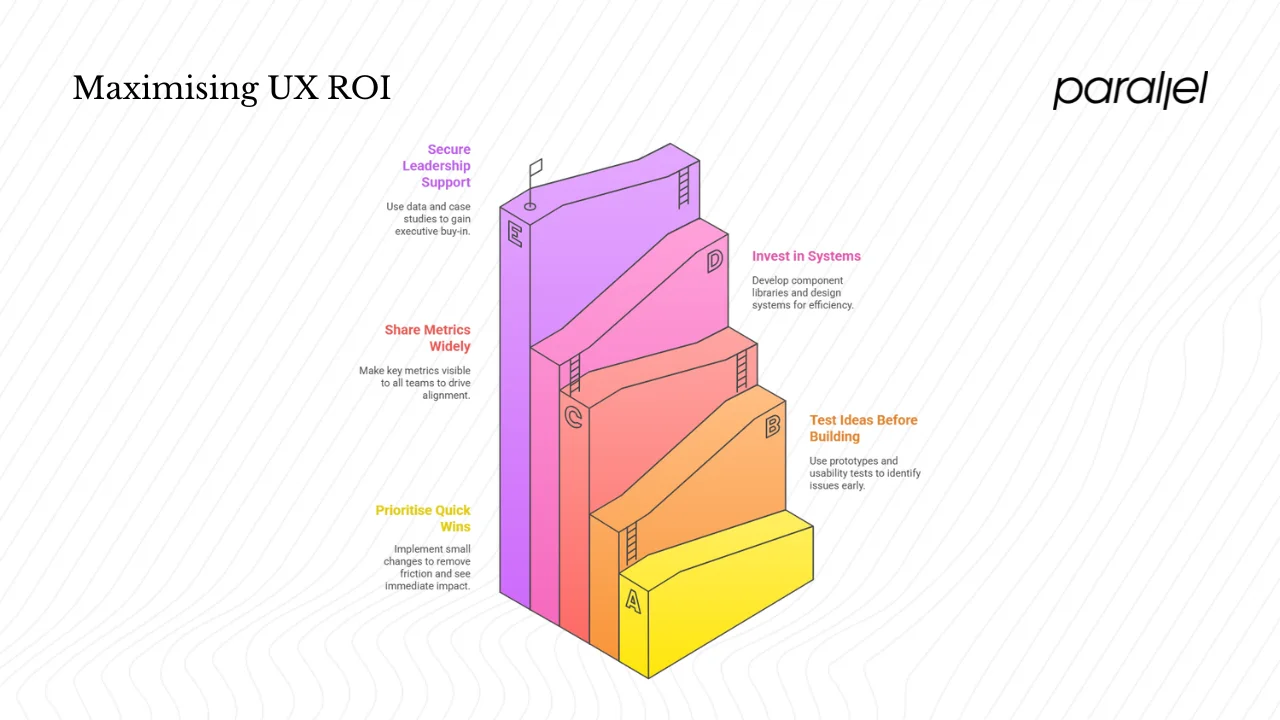
As we look deeper into 2026, the winners will be those who see digital improvement as a continuous procedure rather than a one-time event. The dedication to quality displayed in high-performing portfolios functions as a plan for others to follow. By prioritizing the user, accepting new search innovations like GEO, and demanding strenuous information analysis, organizations can accomplish the kind of growth that is both substantial and sustainable. The era of digital improvement has actually moved into its most advanced phase yet, where accuracy and efficiency are the only metrics that truly matter.

Latest Posts
The 2026 Standard for Sustainable DC Website Design
Browsing the PWA Transformation in Jacksonville
Eco-Friendly Performance Metrics for Los Angeles Organizations